Updated · WeeklyMealPlans kitchen
What Mediterranean eating looks like on a weeknight
The Mediterranean diet sounds like a rulebook, but on a Tuesday it's a familiar kind of dinner: roasted vegetables and chickpeas off one tray, salmon with lemon and a pile of greens, lentils simmered with tomatoes and garlic, a bowl of farro with feta and herbs. It's one of the most widely studied eating patterns and is often recommended as a healthy way to eat day to day. It's also ordinary food you can buy at a regular supermarket.
Roughly, the pattern looks like this:
- Olive oil is the everyday cooking fat
- Vegetables are part of every dinner, often a lot of them
- Beans, chickpeas and lentils carry several dinners a week
- Whole grains such as farro, bulgur, brown rice and whole-wheat pasta make up most of the starch
- Fish or seafood comes up a couple of times a week
- Chicken, eggs, yogurt and cheese appear in moderate amounts
- Red meat is occasional, and usually a smaller portion
- Lemon, garlic, herbs and spices do the job that cream sauces do in other cooking
None of it is strict. Pasta, bread and potatoes all belong, and you don't need a specialty store. If you're managing a medical condition, talk with your doctor or a registered dietitian before changing how you eat. This planner makes everyday dinner ideas, not a medical diet.
How a 7-day Mediterranean dinner week is built
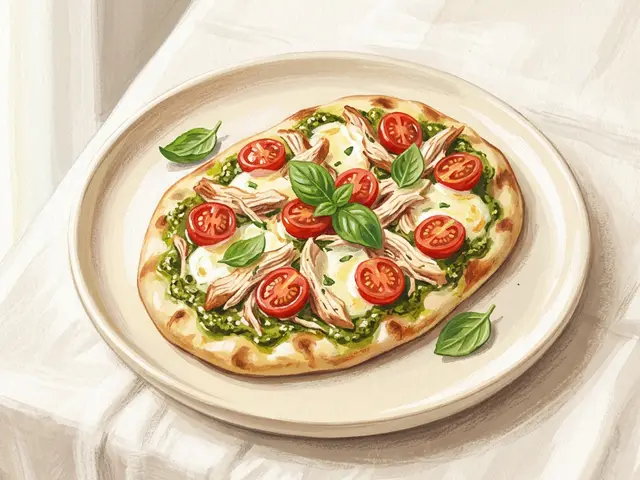
Seven nights of grilled chicken and salad gets old by Thursday, so the planner spreads the week across different proteins. A typical week for two:
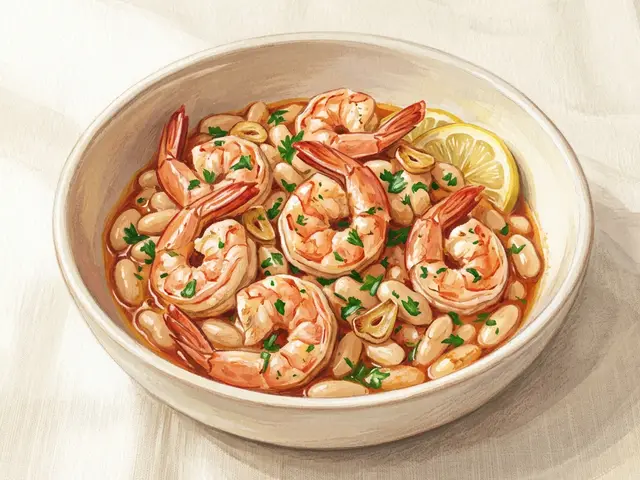
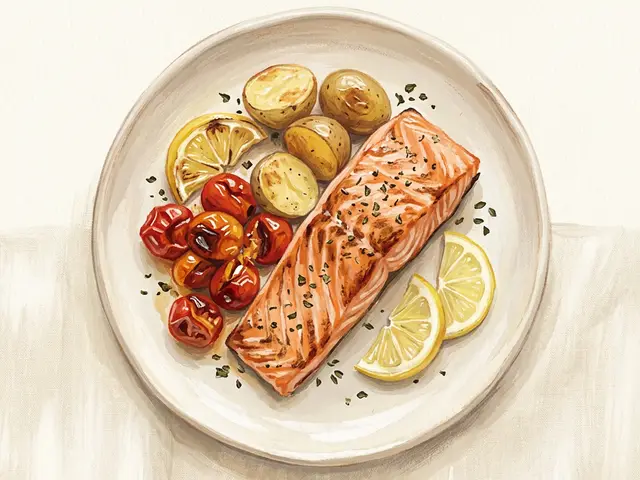
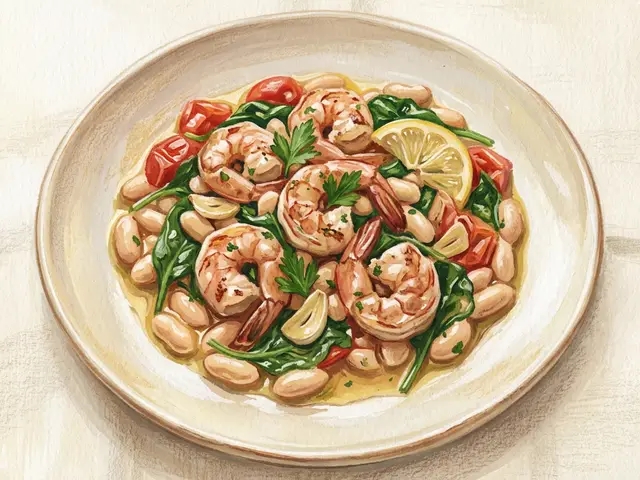
- Two fish or seafood nights, such as sheet-pan salmon with potatoes and green beans, or garlicky shrimp with white beans and spinach
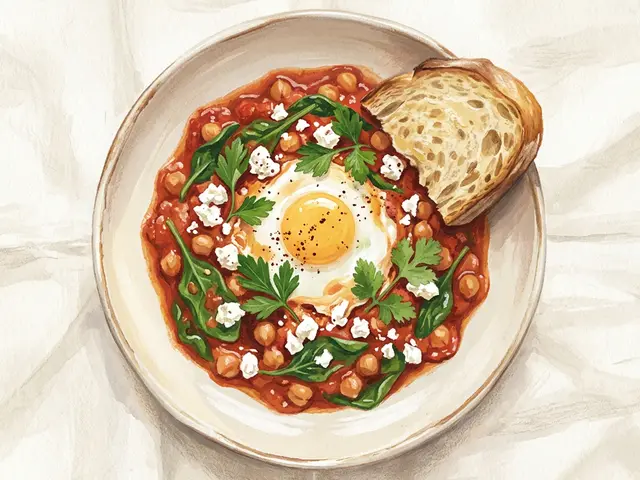
- Two bean or vegetarian nights, like a lentil and tomato stew with a spoonful of yogurt, or chickpeas roasted with cauliflower over couscous
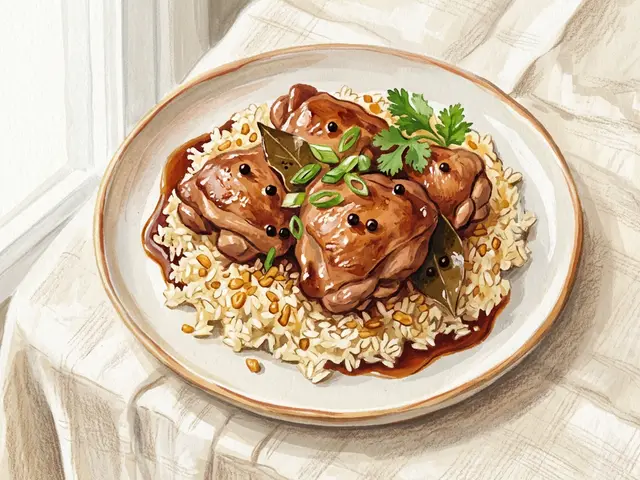
- One chicken night, maybe thighs baked with lemon, oregano and olives
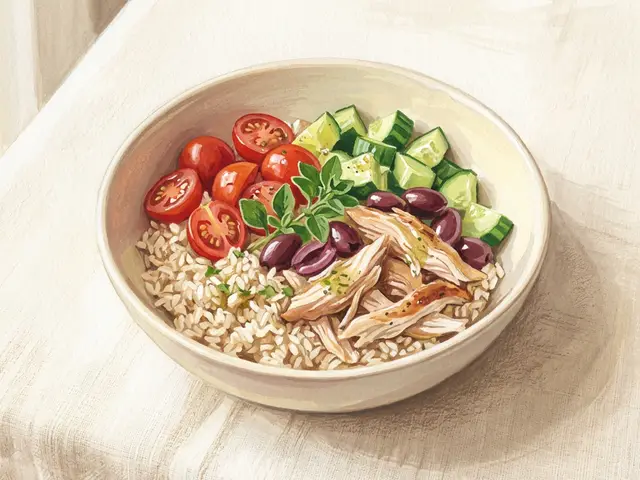
- One grain bowl with farro or bulgur, roasted vegetables, feta and a quick herb sauce
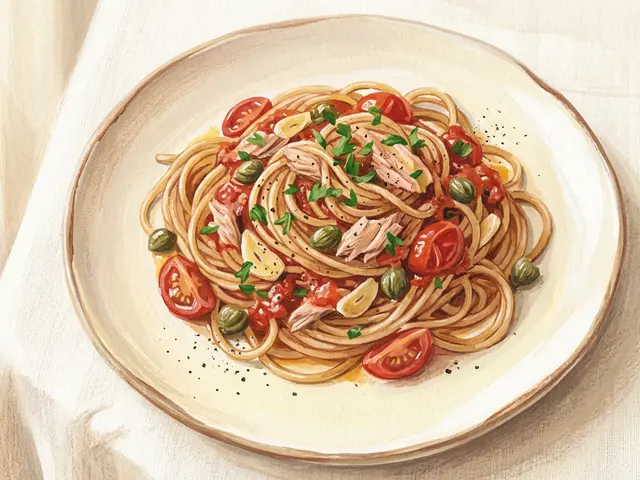
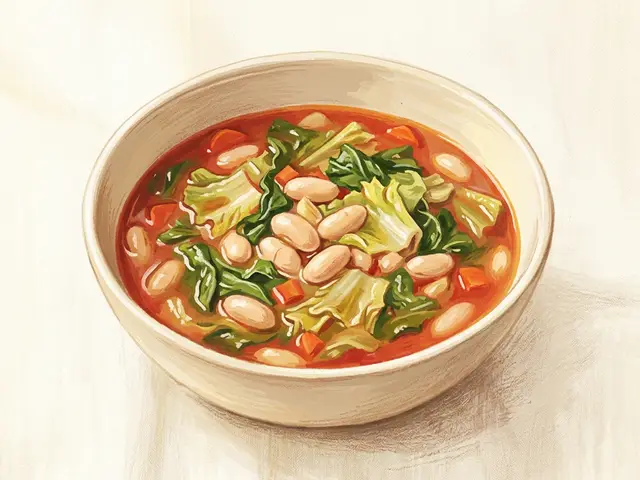
- One pantry pasta, with canned tuna, capers and lemon, or tomatoes, white beans and greens
Fish and tender greens go early in the week while they're fresh. The grain bowl and the pantry pasta land near the end, when the fridge is emptier and dinner can come mostly from the cupboard. The planner also reuses fresh ingredients, so the parsley you buy for Monday's fish goes into Thursday's grain bowl too.
Mediterranean diet grocery list
Most of a Mediterranean grocery list is pantry food you buy once and use for weeks. The fresh part each week is smaller than people expect.
Staples to keep on hand:
- Extra-virgin olive oil
- Canned chickpeas, white beans and lentils, or dried if you like cooking them
- Canned tomatoes and tomato paste
- Canned tuna, salmon or sardines
- Farro, bulgur, brown rice, couscous and whole-wheat pasta
- Red wine vinegar
- Dried oregano, cumin, smoked paprika and red pepper flakes
- Olives and capers
- Onions and garlic
- Walnuts or almonds
Fresh buys each week:
- Lemons, more than you think you need
- Leafy greens such as spinach, kale or arugula
- Two or three vegetables that are in season and cheap, like zucchini, peppers, eggplant, broccoli or cauliflower
- Cucumbers and cherry tomatoes for no-cook sides
- A bunch of parsley or dill
- Fish or seafood for two dinners
- Chicken thighs
- Plain Greek yogurt, feta and eggs
You don't have to write this out yourself. The planner builds the list from the week's dinners and sorts it by aisle, and anything you type into the pantry box gets checked off.
Keeping it near $110 a week
Fish and olive oil are what push a Mediterranean week over budget. At typical 2026 US supermarket prices, these habits keep seven dinners for two close to $110:
- Make one of the two seafood nights canned fish. Tuna, salmon or sardines turn into a good pasta or white bean salad for a few dollars.
- Buy frozen fish fillets and shrimp. They often cost less than the fish counter, and you thaw only what you need.
- Let beans do more of the work. A can of chickpeas is about a dollar and can carry a whole dinner.
- Shop by season. Zucchini and tomatoes are cheap in summer, while cabbage, carrots and cauliflower are better value in winter.
- Buy feta in a block and crumble it over the top instead of making it the main ingredient.
- Cook with an everyday olive oil and save the pricier bottle for drizzling at the table.
Prices vary a lot by region and store, so use the estimates to compare dinners and catch the expensive one. If a dinner comes in high, tap Cheaper on its ticket and the grocery list updates to match.
Shortcuts for busy nights
The preset allows up to 35 minutes, and a lot of Mediterranean cooking fits well inside that:
- Rotisserie chicken, cucumbers, tomatoes and a yogurt sauce make a grain bowl in about 15 minutes
- Precooked lentils and microwavable grain pouches skip the longest step
- Store-bought hummus, tzatziki or pesto works as the sauce
- Sheet-pan dinners put fish or chicken and vegetables in the oven together, with one pan to wash
- Thin white fish fillets cook in a hot pan in under 10 minutes
- Bagged greens dressed with lemon and olive oil cover the side
If one night needs to be faster still, tap Faster on that dinner.