Updated · WeeklyMealPlans kitchen
Start with what's about to go
Pantry-first cooking works best when you sort what you have by how long it'll last. Before planning anything, spend two minutes with the fridge door open:
- Use first: fresh fish and meat, leafy greens, herbs, berries, cut fruit, opened cream, cooked leftovers
- Use this week: most vegetables, opened sauces, yogurt, tortillas, bread
- Can wait: eggs, hard cheese, carrots, cabbage, onions, potatoes, apples, anything frozen or canned
Dinners early in the week should be built around the first group. Half a rotisserie chicken and a bag of spinach on the edge means Monday is chicken and spinach quesadillas, or a pasta.
Snap your fridge, then check its work
Instead of typing everything out, you can photograph your fridge, a pantry shelf, the counter or even a grocery receipt, and the AI will list the food it can see. You review that list, remove anything it got wrong, and add what it missed. The planner only uses the items you confirm.
That review step matters. The AI is told to list only what's visible, but it can still misread a label or mistake one green thing for another, and it can't see what's hiding behind the milk. If your fridge is crowded, take two or three photos from different angles. If anyone in the house has a food allergy, check the list yourself every time.
Photos are sent to our AI provider to identify the food. We don't store them.
How a pantry-first week comes together
Most fridges already hold the makings of two or three dinners. The trick is to see them as components rather than leftovers:
- A protein: eggs, frozen chicken, a can of beans, tofu, ground meat in the freezer
- A starch: rice, pasta, tortillas, potatoes, bread
- A vegetable: fresh, frozen, or the bag of slaw mix you forgot about
- Something that makes it taste like a dish: salsa, curry paste, soy sauce, pesto, a lemon, a wedge of cheese
Combine one of each and you have fried rice, a frittata, tacos, a grain bowl or a pasta. The plan fills the gaps with a short shopping list, ideally ingredients that get used in more than one dinner, so you're not buying a whole head of celery for two stalks.
Dinners built for odds and ends
Some formats are made for clearing out the fridge. If yours is especially full, swap toward these:
- Fried rice: leftover rice, eggs, any vegetables, a little meat
- Frittata: eggs plus almost any cooked vegetable and the ends of cheese
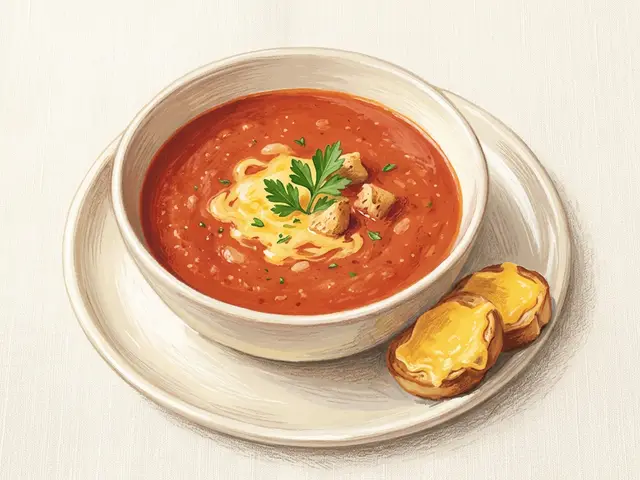
- Soup: tired vegetables, a parmesan rind, beans and broth
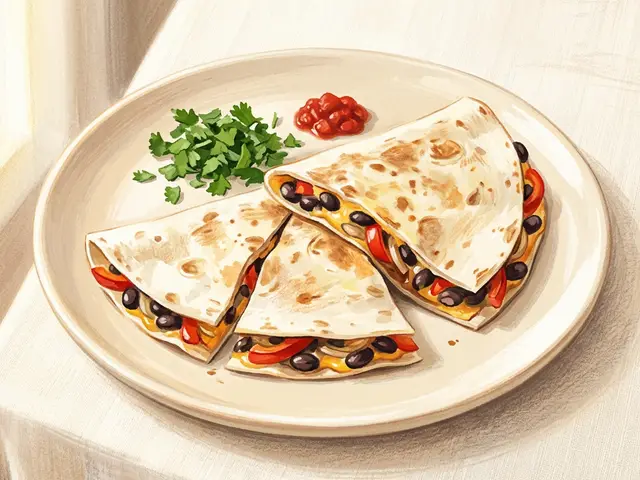
- Quesadillas and tacos: small amounts of meat, beans, cheese and salsa
- Grain bowls: half-cups of everything, pulled together with a sauce
- Pasta: greens, garlic, cheese, a can of tuna or beans
The freezer and cupboard count too
The freezer is easy to forget. Bags of vegetables, a pound of ground meat, bread, cooked rice and shrimp all count as things you have, so list them. The same goes for the can of coconut milk and the box of lentils at the back of the cupboard.
A note on the cost estimate
Each dinner's cost estimate is for the whole dinner at typical US supermarket prices. If you already own the chicken and the rice, you'll spend less at the store than the estimate suggests, which is the point.
Waste less without trying too hard
- Plan first, then shop. Buying first and planning later is how you end up with a second bag of spinach.
- Keep a use-first spot at eye level in the fridge, so the urgent things are the first things you see
- Freeze bread, cooked rice and raw meat before they turn
- Make one flexible dinner a week, like fried rice, soup or a frittata, your clean-out night
- When a plan says half an onion, wrap the other half and put it in the use-first spot