Updated · WeeklyMealPlans kitchen
The real problem with cooking for two
Most recipes serve four, and most groceries are packed for four too: a pound of ground turkey, a full bunch of cilantro, a whole head of cabbage, a 28-ounce can of tomatoes. Cook one recipe as written and you either eat it twice or throw half of something away on Sunday.
A good week for two is planned in pairs. Every ingredient that comes in a bigger size than one dinner needs gets a second job somewhere else in the week.
How a $75 week shakes out
At typical 2026 US supermarket prices, $75 over five dinners is $7.50 a plate, which is comfortable. You can have salmon one night and good sausages another and still buy decent produce. Over seven dinners it's closer to $5.35 a plate, which still works if a couple of those dinners are built on eggs, beans or pasta.
That budget covers dinners. If you want lunches out of it too, plan two of the dinners as doubles.
Pairing ingredients across the week
These pairings keep a two-person list short:
- A pound of ground meat: half for tacos on Monday, half for a pasta sauce or lettuce wraps on Thursday
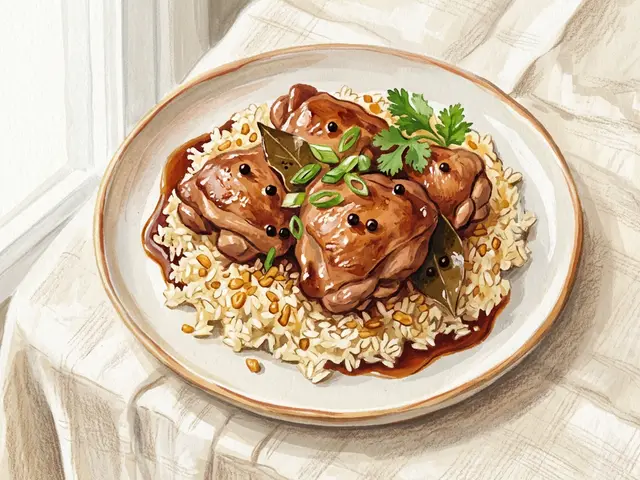
- A pack of four chicken thighs: two roasted early in the week, two in a stir-fry or soup
- A bunch of cilantro or parsley: one dinner early, then a sauce or salad before it wilts
- A 28-ounce can of tomatoes: half for shakshuka, half for a quick soup or pasta sauce
- A bag of spinach: wilted into pasta, then raw under a fried egg or in a grain bowl
- A block of feta or cheddar: it keeps, so spread it over three dinners
Put the dinners with the most perishable ingredients (fish, tender herbs, salad greens) at the start of the week and save the pantry-heavy ones for Thursday and Friday. The planner orders the week this way, and when it reuses an ingredient it uses the same name each time, so the grocery list shows one bunch of cilantro instead of two.
When to buy small and when not to
Smaller packages often cost more per ounce, but they're cheaper overall if you'd otherwise throw the rest away. A few rules of thumb:
- Buy loose produce by the piece: two carrots, one onion, a single sweet potato
- Use the butcher or seafood counter to get exactly two portions of fish or steak
- Buy family packs of chicken or ground meat only if you'll freeze half the day you get home
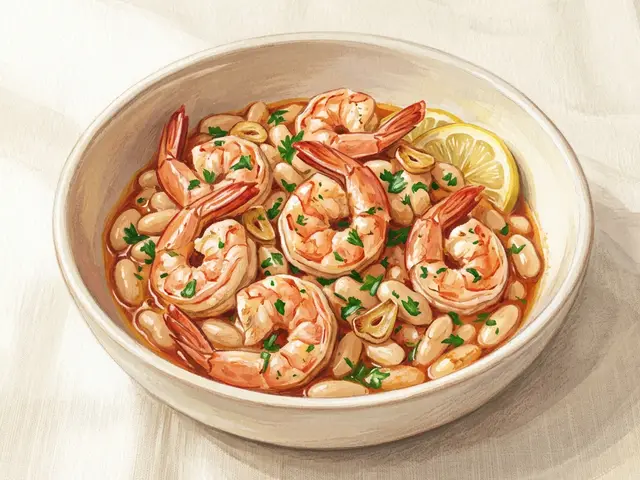
- Keep frozen vegetables, shrimp and fish fillets around, since you can take out exactly two servings
Leftovers on purpose
Cooking for two doesn't mean cooking seven times. You may be happier cooking four nights, eating leftovers on two, and keeping one night for going out. Double the dinners that reheat well: chili, curries, braises, soups, baked pasta. Skip it for anything crispy or anything with dressed greens, which are best the night you make them.
Each dinner ticket has a Double for leftovers button. Use it on one or two dinners, set the dinner count to five, and you've covered a couple of lunches as well.
Splitting the work
Two people can divide a week easily. One person cooks and the other cleans, or one preps on Sunday and the other cooks on weeknights. Agree in advance on a night or two that's allowed to be very easy, like eggs on toast or a frozen pizza with a salad, so the plan survives a bad Wednesday.
Making the list go further
Buy pantry items in the normal sizes, since rice, pasta, canned beans and spices keep for months and the per-ounce savings are real. Be stingy only with the perishables. If you shop once a week, buy the sturdy produce for the end of the week (cabbage, carrots, peppers, potatoes, apples) and leave the delicate things for the first few days.