Updated · WeeklyMealPlans kitchen
Why deficits fail in the evening
A calorie deficit is arithmetic. Staying in one is behaviour, and the behaviour breaks at night. The usual cause is a dinner that was technically compliant and emotionally insufficient — 350 calories of something small, eaten at seven, followed by 600 calories of whatever is in the cupboard at ten.
Two things make a smaller dinner hold:
Protein. It's the most satiating macronutrient by a wide margin, and it protects muscle while you're eating less. Aim for a palm-sized portion or more at dinner.
Volume. A plate that's half non-starchy vegetables weighs more and takes longer to eat for very few calories. Stomach stretch is a real satiety signal, and vegetables are the cheapest way to trigger it.
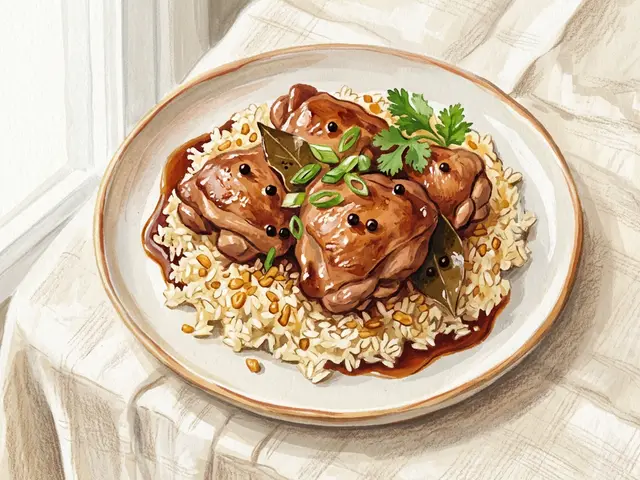
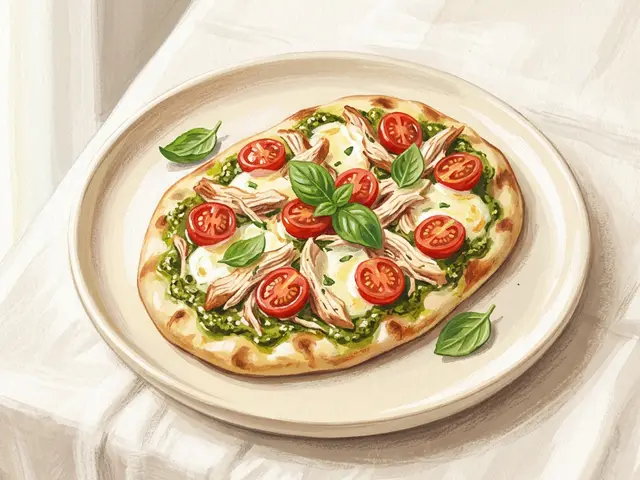
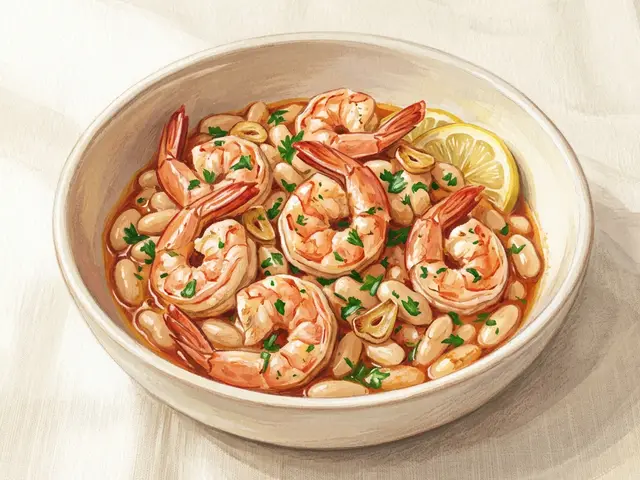
The planner builds around both, which is why its deficit dinners look like normal dinners rather than diet food.
Where the calories actually hide
In home cooking, they're rarely in the protein or the vegetables. They're in:
- Cooking fat, measured by pour rather than spoon
- Dressings, sauces and condiments
- The starch portion, which quietly doubles
- Drinks
None of those need to be eliminated. They need to be measured once, so you know what they cost.
This plan is not a prescription
The planner estimates calories from recipe ingredients. Estimates are useful for direction and poor for precision — portion sizes, brands and cooking methods all move the number.
More importantly, how large a deficit is appropriate, and whether one is appropriate at all, depends on your body, your health and your history. This is general information about cooking, not medical or nutritional advice. If you have a medical condition, take medication, are pregnant, or have a history of disordered eating, talk to a doctor or a registered dietitian before changing how you eat.
What the planner does with your number
Set a rough calorie target and it aims dinners under it while keeping protein high. Set a budget too and it stays inside both, or tells you honestly when those two constraints are fighting each other.