Updated · WeeklyMealPlans kitchen
Every dinner needs a center
The fastest way to make a vegetarian week disappointing is to take meat recipes and leave the meat out. You end up with a plate of sides. A good vegetarian dinner has something in the middle that's filling on its own:
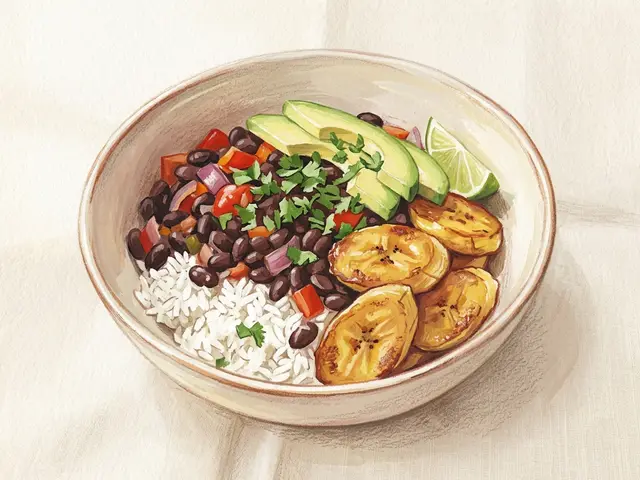
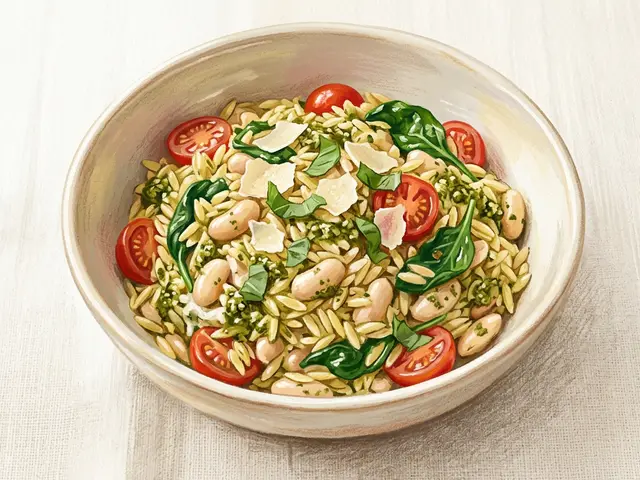
- Beans and lentils: chili, dal, black bean tacos, white beans with greens
- Eggs: frittata, shakshuka, fried rice, egg curry
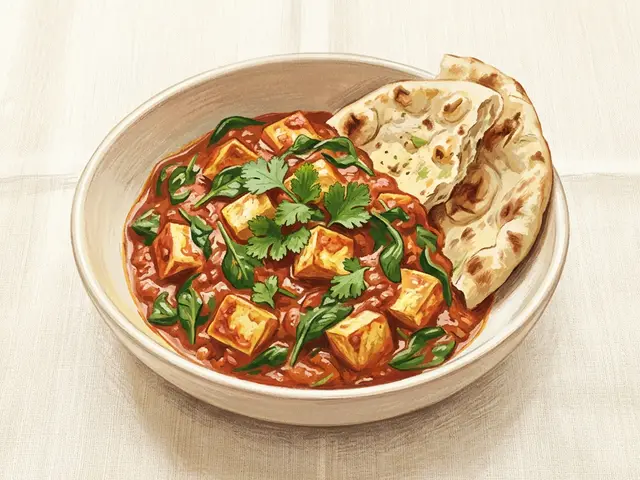
- Cheese: baked pasta, quesadillas, saag paneer, halloumi with roasted vegetables
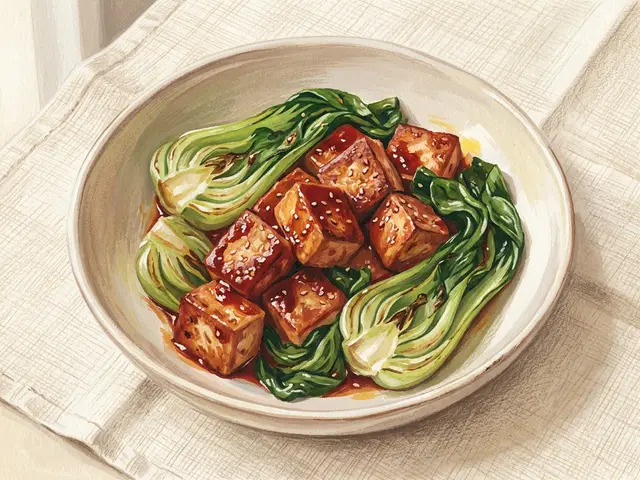
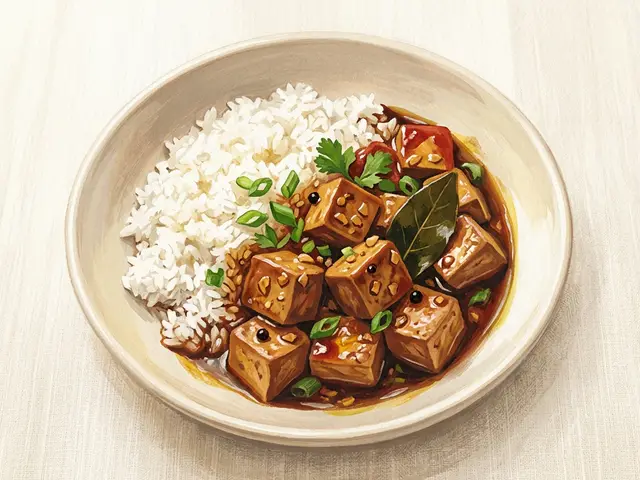
- Tofu and tempeh: stir-fries, crispy sheet-pan tofu, peanut noodles
- Grains and potatoes with a proper sauce: grain bowls, loaded baked potatoes, risotto
When you can, put two of these on the plate. Lentil soup with a grilled cheese, a tofu stir-fry with an egg on top, bean tacos with cheese and a spoonful of yogurt. The meal is more satisfying and the protein adds up without any special products.
The hidden-meat list
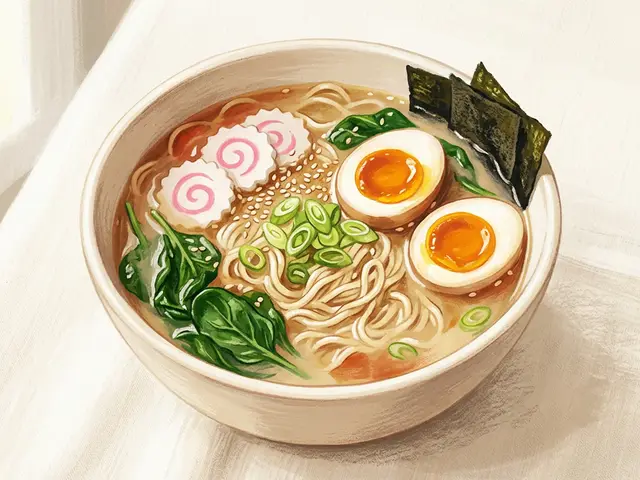
In the planner, vegetarian means no meat, poultry or fish. Eggs and dairy are in. If you skip those too, choose Vegan instead.
When you're cooking from other recipes or buying prepared foods, a few ingredients catch people out:
- Chicken or beef stock in soups, risottos and rice dishes
- Fish sauce in Thai and Vietnamese recipes
- Worcestershire sauce, which traditionally contains anchovies
- Caesar dressing, for the same reason
- Gelatin in some desserts and gummy candy
Traditional parmesan is made with animal rennet, which some vegetarians avoid. If that matters to you, look for a hard cheese labeled vegetarian, and add parmesan to your avoid list.
Protein without counting
You don't need to track anything to eat enough protein on a vegetarian week, but it helps to know which foods carry the most. Rough figures:
- A cup of cooked lentils: about 18 grams
- A cup of cooked black beans or chickpeas: about 14 to 15 grams
- Three large eggs: about 18 grams
- Half a block of extra-firm tofu: around 20 grams
- A cup of cottage cheese or Greek yogurt: about 20 to 25 grams
If you want more, add High protein to your preferences, or tap More protein on any dinner that looks light. Every protein figure in the plan is an approximate AI estimate.
Where the flavor comes from
Meat brings a savory depth that vegetables have to borrow from somewhere else. A short list of pantry items does most of that work:
- Soy sauce or miso
- Tomato paste, cooked in the pan until it turns brick red
- Smoked paprika and cumin
- Parmesan or another aged cheese
- Mushrooms, seared hard in a pan that isn't crowded
- Something sour at the end: lemon, lime, vinegar or pickled onions
Browning matters even more in vegetarian cooking. Roast vegetables hot enough to char at the edges, leave tofu in the pan until it releases on its own, and cook onions longer than the recipe tells you to.
Shopping for a vegetarian week
Vegetarian weeks are often cheaper than meat weeks, since beans, eggs and lentils are some of the least expensive protein in the store. Spending tends to creep in through specialty items like plant-based meats, fancy cheeses and out-of-season produce. They're fine in moderation, but that's where the money goes.
Plan the delicate produce first. Salad greens, herbs and soft vegetables like zucchini belong early in the week. Cabbage, carrots, winter squash, potatoes and canned beans hold up for the end.
For mixed households
If only some of you are vegetarian, plan the week vegetarian and add a simple protein on the side for the meat-eaters a couple of nights. Grilled chicken next to a grain bowl, or sausages alongside a white bean dish, keeps everyone eating from the same pans. You can also go the other way: plan a normal week and tap Make it veggie on the dinners you'd rather keep meatless.