


Updated · WeeklyMealPlans kitchen
What $120 buys a family of four
The planner counts each kid as a little more than half an adult portion, so two adults and two kids come out to four servings a night. At typical 2026 US supermarket prices, $120 over five dinners is about $6 a serving. That leaves room for one dinner built on something pricier, like salmon or steak strips, and some extra for a lunch or two. Spread the same $120 over seven dinners and you're closer to a budget week, with more chicken thighs, beans and pasta.
The grocery list covers dinners only. Milk, bread, fruit, cereal and lunchbox supplies go on top.
Plan around the calendar first
Before you think about food, look at the week. Most families have one or two nights that are a write-off: practice, a late meeting, the evening everyone is tired and short-tempered. Those nights need 20-minute dinners, a slow cooker meal, or leftovers you made on purpose. Save longer recipes for the evenings you actually have time.
A rough shape that works for a lot of households:
- Monday: something fresh, using produce while it's crisp
- Tuesday and Thursday: fast dinners, 20 to 30 minutes
- Wednesday: leftovers, or the second half of a double batch from Monday
- Friday: a crowd-pleaser like homemade pizza, tacos or breakfast for dinner
- Weekend: one dinner that takes longer and can feed you again on Monday
One dinner, several plates
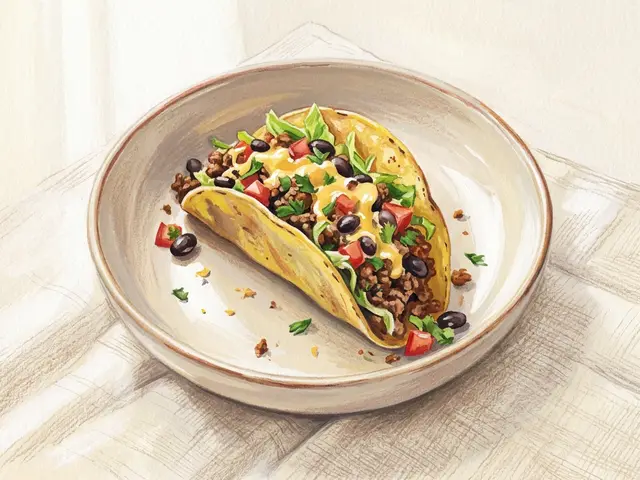
A lot of dinner-table standoffs are about food that's been mixed together. The easiest fix is to cook components and let people assemble their own plate. Taco night is the classic example, and the same idea works for rice bowls, pasta with the sauce on the side, baked potatoes with toppings, and sheet-pan chicken with the vegetables roasted in separate sections of the tray.
Keep the heat mild in the pot and put hot sauce, chili crisp or sliced jalapeños on the table. Adults get their spice and nobody cooks twice.
Sides don't need recipes
Kids who won't touch a sautéed green vegetable will often eat the same vegetable raw. A plate of cucumber rounds, carrot sticks, snap peas or apple slices next to dinner counts as a side. It takes three minutes and uses produce you were probably buying for lunchboxes anyway.
Give kids one pick and one job
Letting each kid choose one dinner a week from two or three options buys a surprising amount of goodwill, and they're more likely to eat the meal they picked. Small jobs help too, sized to the kid:
- Little ones can wash produce, tear lettuce and stir cold things
- Older kids can measure, crack eggs and set the table
- Teenagers can own one simple dinner a week from start to finish
Shopping for four without overbuying
Family packs of chicken and ground meat are usually cheaper per pound. Split them when you get home, keep what the plan needs this week, and freeze the rest flat in zip-top bags so it thaws quickly. Buy bread and fruit on your usual schedule rather than all at once, since they're the first things to go stale or soft.
The list is sorted by aisle, so one person can do the whole run without doubling back for the cumin.
When a dinner gets vetoed
Every dinner ticket has swap buttons. Kid-friendlier makes a dish milder, more familiar and easier to serve in separate piles. Faster trims the total time for a busy night. Double for leftovers turns tonight into tomorrow's lunch.
If a week is truly chaotic, set the cooking effort to Rescue me and the plan leans on 15-minute, one-pan and no-cook dinners. On those weeks we may also suggest a meal kit. That suggestion is labeled as sponsored, and it never changes which dinners end up in your plan.