
Updated · WeeklyMealPlans kitchen
What 35 grams per serving looks like
Thirty-five grams of protein at dinner sounds like a lot, but it's a fairly normal plate when the protein is the main event. Rough figures for common foods, cooked:
- 5 ounces of chicken breast: about 40 to 45 grams
- 6 ounces of salmon: around 35 to 40 grams
- 5 ounces of lean ground beef or turkey: roughly 35 grams
- 3 large eggs: about 18 grams
- 1 cup of cooked lentils: about 18 grams
- Half a block of extra-firm tofu: around 20 grams
- 1 cup of cottage cheese or plain Greek yogurt: roughly 20 to 25 grams
The protein anchor does most of the work and the rest of the plate adds a little. Rice, pasta and bread contribute a few grams each. Beans, edamame, peas, cheese or a yogurt sauce can add another 5 to 15.
A week that doesn't look like a meal-prep tub
The trap with high-protein eating is the same chicken breast and broccoli five nights running. A better week varies the protein and the cooking method:
- A sheet-pan dinner with chicken thighs and chickpeas
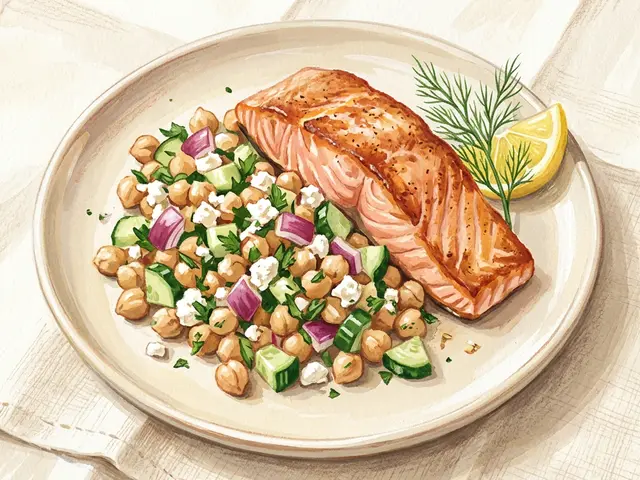
- Salmon or another fish early in the week, while it's fresh
- A ground turkey or beef dinner, like tacos, lettuce wraps or chili with beans
- An egg dinner, like a frittata with cottage cheese whisked into the eggs
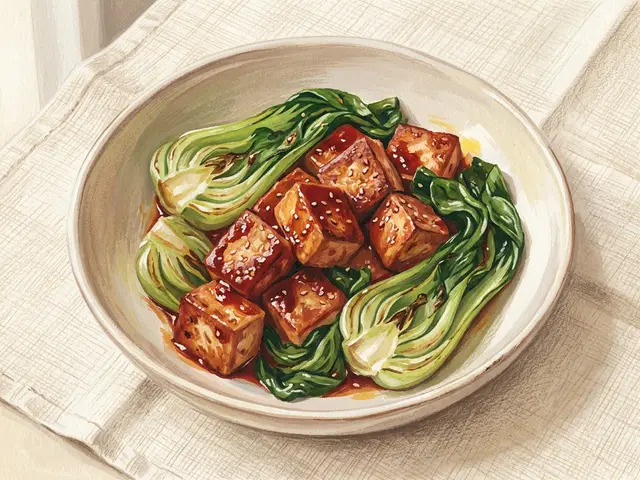
- A vegetarian night built on tofu, tempeh or lentils, with Greek yogurt on the side
The easiest trick is two proteins on one plate: beans in the turkey chili, edamame in the stir-fry, a yogurt sauce with the lamb, parmesan on the lentil pasta. You reach 35 grams without an enormous piece of meat.
Keeping the cost reasonable
Protein is the expensive part of any grocery list, so a high-protein week costs more than a pasta-and-beans week. At typical 2026 US supermarket prices, some of the best grams-per-dollar options are:
- Eggs, dried lentils and canned beans
- Chicken thighs and whole chickens
- Cottage cheese and plain Greek yogurt in large tubs
- Canned tuna and salmon
- Tofu
- Pork loin when it's on sale
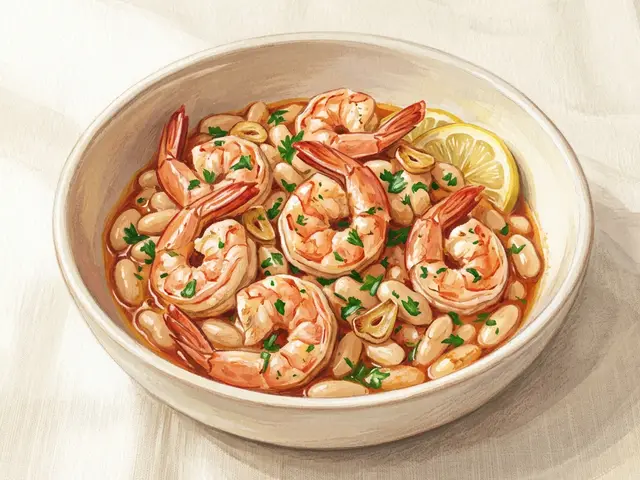
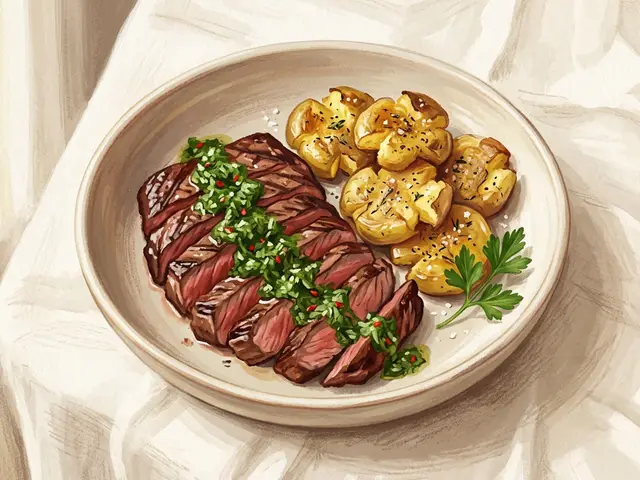
Shrimp, steak and fresh salmon are great but pricey. On a normal budget, one of those a week is plenty. If you set a weekly budget alongside High protein, the plan has to fit both, so it will lean on the cheaper options above.
How the protein numbers work
The protein figure on each dinner is an approximate AI estimate per serving, based on the ingredients and quantities in that recipe. It's good for comparing dinners and spotting a light one. It isn't a precise measurement, and it isn't nutrition advice. If you need exact numbers for a medical reason or a specific training program, weigh your food and use a dedicated nutrition tracker, or work with a registered dietitian.
If one dinner looks light, tap More protein on its ticket. That swap aims for 40 grams or more per serving and tries to reuse ingredients already on your list.
Cooking lean protein so it isn't dry
- Use an instant-read thermometer. Chicken breast and ground poultry are safe at 165°F, and pulling them right at that point is the difference between juicy and chalky.
- Brine or marinate. A 30-minute soak in salted yogurt, or a quick salt-and-sugar brine, keeps lean meat moist.
- Slice against the grain, and let meat rest for a few minutes before you cut it.
- Cook fish less than you think. Salmon is done when it flakes at the thickest point.
Prep once, eat three times
Cook a pot of grains and a tray of protein on Sunday, such as roasted chicken thighs or a pan of crispy tofu. With a jar of sauce in the fridge, that becomes two or three weeknight bowls you can assemble in ten minutes. Hard-boiled eggs and a tub of cottage cheese cover the nights when even that feels like too much.