Updated · WeeklyMealPlans kitchen
One meal, served two ways
The most useful change for a household with a picky eater is to stop making separate dinners. Short-order cooking is exhausting, and it rarely makes anyone more adventurous. Instead, cook one dinner in a way that can be split at the end:
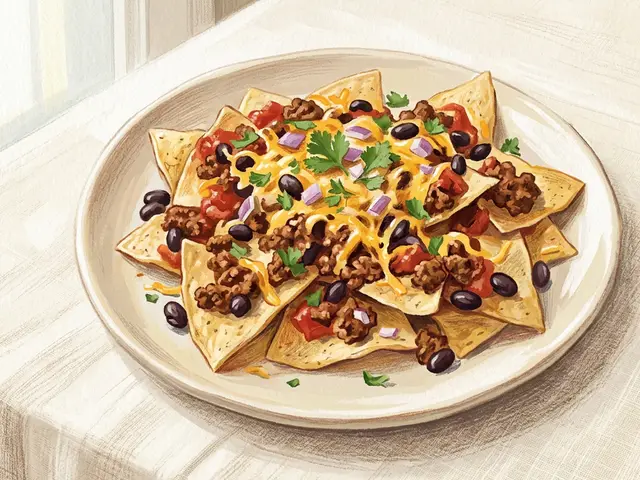
- Taco night: meat, beans, cheese, tortillas and toppings in separate bowls
- Pasta: pull out a portion with butter and parmesan before the sauce goes on
- Stir-fry: plain rice, plain chicken and plain broccoli for the kid, with sauce on the grown-up plates
- Sheet-pan dinners: everything roasted in its own section of the tray instead of tossed together
- Bowls: rice or noodles on the bottom, everything else on top or on the side
Where it helps, a dinner's tip tells you how to serve it deconstructed.
Familiar is the point
Picky eaters tend to trust what they recognize, which often means mild, crunchy and kept apart. So build the week around familiar formats and change one thing at a time:
- Chicken, but a different cut or a different crust
- Pasta, with a new vegetable next to it instead of inside the sauce
- Tacos, with one new topping on the table for anyone who wants it
The one-new-thing rule takes the pressure off. A new food sits on the plate next to two safe foods, and nobody has to eat it. It shows up again a week or two later. Seeing a food again and again, without being pushed, is how a lot of kids eventually try it.
Using the avoid list well
Be specific. "Vegetables" is too broad to plan around. "Mushrooms, olives, beans, anything spicy" gives the planner something to work with, and it treats that list as a hard rule for every dinner.
Put rules about texture and serving in the Anything else box instead, for example "no sauces mixed in," "nothing mushy," or "my son only eats pasta plain." Those are guidance rather than strict filters, so glance over the week before you shop.
Hide the vegetables or show them?
Both work, and they do different jobs. Blending carrots and zucchini into a pasta sauce gets vegetables into dinner tonight. Putting a few raw carrot sticks on the plate gets a kid used to seeing carrots. Do some of each.
Raw vegetables with a dip like ranch, hummus or a yogurt dip often go over better than cooked ones, and they take no time at all. Sweeter vegetables tend to be an easier sell too: corn, peas, carrots, sweet bell peppers and roasted sweet potatoes.
Picky adults count too
Not every picky eater is six. For some people cilantro genuinely tastes like soap, and there's a genetic component to it. Plenty of adults can't stand olives, blue cheese or anything with a kick.
The same approach works for grown-ups. Put the strong flavors on the table instead of in the pot: hot sauce, fresh herbs, pickled onions, olives, feta. The people who like them add them, and nobody has to pick anything off.
Keep dinner low-stakes
- Serve at least one food you know they'll eat at every dinner, like bread, rice, fruit or plain pasta
- Let kids serve themselves when you can, even if the portions are strange
- Skip bribes and the three-more-bites negotiation, which tend to turn dinner into a contest
- Ask everyone to rate dinners. It gives kids a say, and it tells you what to make again
Autopilot remembers those thumbs-up and thumbs-down ratings and won't bring back the dinners that flopped.
When to ask for help
Most picky eating is a normal phase. If your child eats a very small number of foods, gags or panics at new ones, or isn't growing as expected, talk to your pediatrician. A meal plan can make dinner easier, but it isn't a substitute for that conversation.