Updated · WeeklyMealPlans kitchen
What healthy means here
We use a plain, unglamorous definition. A healthy dinner, for the purposes of this page, is one where:
- Vegetables take up a good share of the plate, often about half
- There's a real portion of protein, such as fish, chicken, beans, eggs, tofu or lean meat
- The starch is there for satisfaction, and it's whole grain when that's easy: brown rice, whole-wheat pasta, farro, or potatoes with the skin on
- The cooking uses ordinary amounts of oil, salt and cheese, which is to say some
The half-a-plate idea lines up with the USDA's MyPlate guidance, which suggests filling half your plate with fruits and vegetables. It doesn't mean low-fat, low-carb or "clean." If you have a medical condition, a diagnosed nutrient need or a specific weight goal, work with your doctor or a registered dietitian. This planner isn't built for that.
Make vegetables the easy part
On a weeknight the vegetable side is usually the first thing to go, because it's a second recipe at 6:45 p.m. Build them in instead:
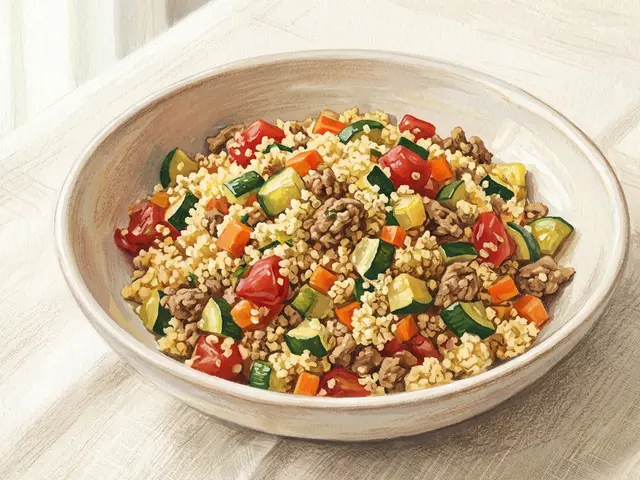
- Put vegetables in the main dish: spinach in the pasta, peppers and onions in the fajitas, a whole bag of shredded cabbage in the stir-fry
- Roast a tray of vegetables in the oven alongside the main. Broccoli, carrots, cauliflower, Brussels sprouts and sweet potatoes all roast well at 425°F.
- Keep a no-cook side on hand, like cucumbers, cherry tomatoes, snap peas or a bagged salad
- Use frozen vegetables without guilt. They keep for months and they're often cheaper than fresh.
Balance the week, not every plate
Don't grade each dinner on its own. A week with a fish night, a beans or lentils night, a big vegetable stir-fry and a pizza night is a pretty balanced week. One rough way to think about it:
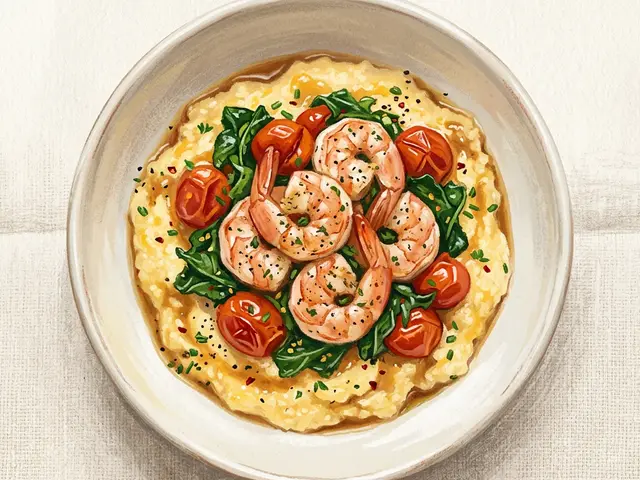
- One or two fish or seafood dinners
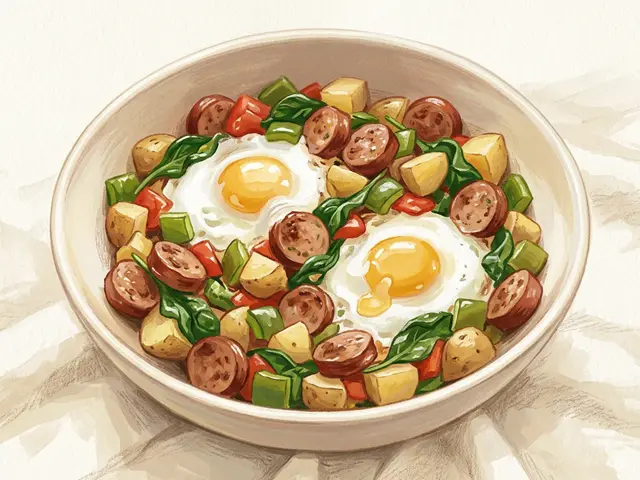
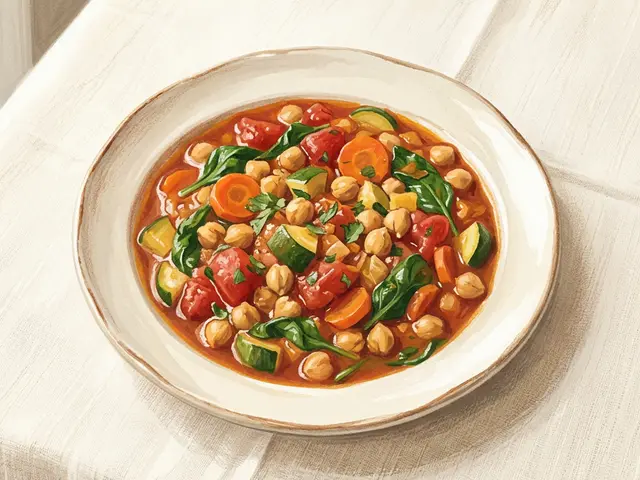
- One or two meatless dinners built on beans, lentils, tofu or eggs
- Poultry or lean meat on the rest, with red meat as one of them if you like it
- Several different vegetables across the week, rather than broccoli every night
Flavor is what makes it stick
A healthy plan that tastes like hospital food lasts about a week. These add a lot of flavor for very little:
- Acid, like lemon, lime, vinegar or pickled onions
- Fresh herbs, scallions and garlic
- Spices and blends such as cumin, smoked paprika, curry powder or za'atar
- A small amount of something rich: parmesan, feta, toasted nuts, good olive oil or a spoonful of yogurt sauce
- Real browning, which means a hot pan and enough room in it
Shopping for a balanced week
Healthy groceries don't have to cost more, but the produce section is where costs creep up. Buy what's in season and cheap this week, lean on frozen vegetables, and use each bunch of greens or herbs in two dinners so nothing wilts in the drawer. Fish and tender greens belong at the start of the week, and the planner already orders dinners that way.
A short list of healthy staples worth keeping around:
- Canned beans and dried lentils
- Brown rice, farro or another whole grain you like
- Canned tomatoes and low-sodium broth
- Frozen spinach, broccoli and peas
- Eggs and plain Greek yogurt
About the nutrition numbers
Each dinner shows approximate calories and protein per serving. Those are AI estimates from the recipe's ingredients and portions, useful for rough comparisons between dinners. They aren't measured, and they aren't medical or dietary advice. If you need precise numbers, use a nutrition tracker that works from measured food data, and weigh what you eat.